
Off Black Creations

First website’s interview was conducted with developers Off Black Creations – I asked about them in general and their latest digital release, MOLE. You can read the full interview below.
For readers who may not know you yet, who is Off Black Creations?
We are an independent studio focused on creating both board games and digital games. The company was founded and is owned by me, Sean Falk, after having left the AAA games industry to pursue independent development full-time, where I previously worked as a level designer on GTFO.
MOLE is the studio’s first digital title and was developed by a small team of four core contributors who joined the project at different stages throughout its development. Despite our size, we shared a common goal from the beginning: to create memorable experiences that we ourselves would be excited to play.
What sparked the idea for MOLE?
MOLE began as a solo prototype in May 2025 after I played Iron Lung, a game that inspired me to explore my own take on a story-driven simulation horror experience. Around the same time, I was deeply involved in Stockholm’s game development community and was fortunate to be surrounded by talented developers, including people from Wrong Organ and Mike Klubnika, whose work and perspectives were highly influential.
Interestingly, MOLE started as a very different concept. The original premise followed an isolated prisoner aboard a drifting spacecraft, slowly losing touch with reality after escaping confinement and discovering that everyone else on board was dead. Over time, that idea evolved into the underground horror experience that eventually became MOLE.
How would you describe MOLE to someone who has not played it yet?
I would say it is weird, man.
The game’s visual style is striking. What influenced the art direction?
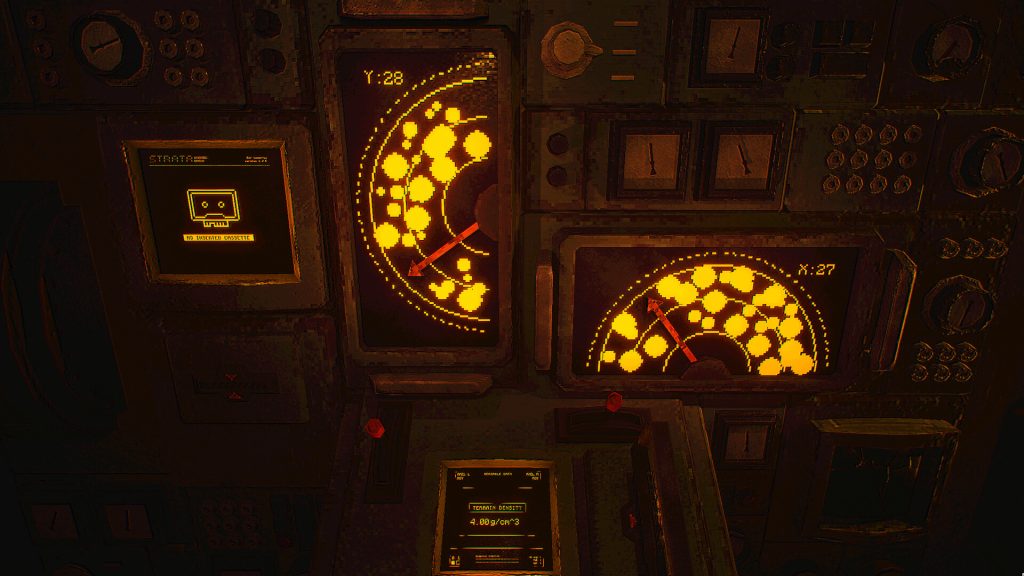
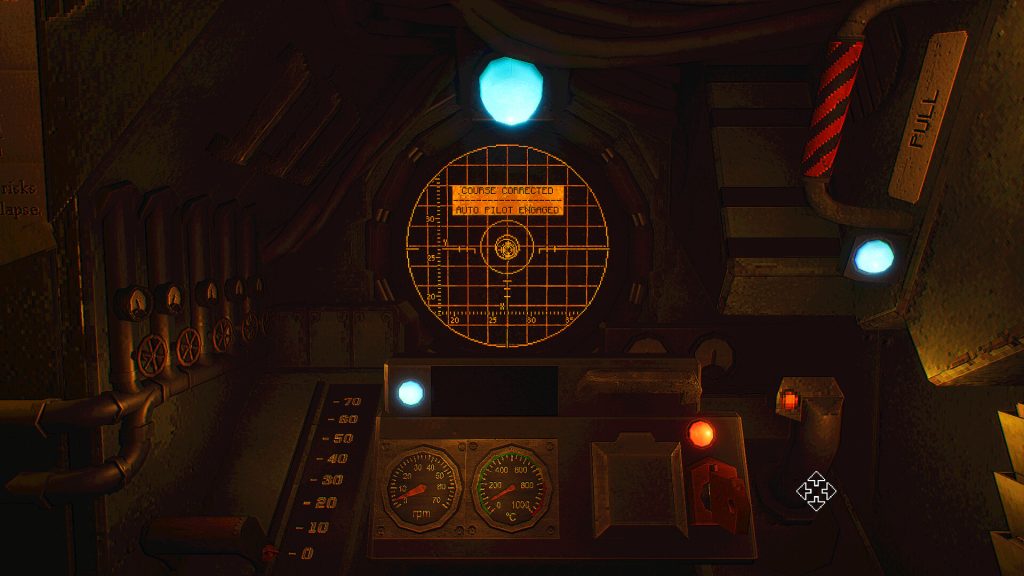
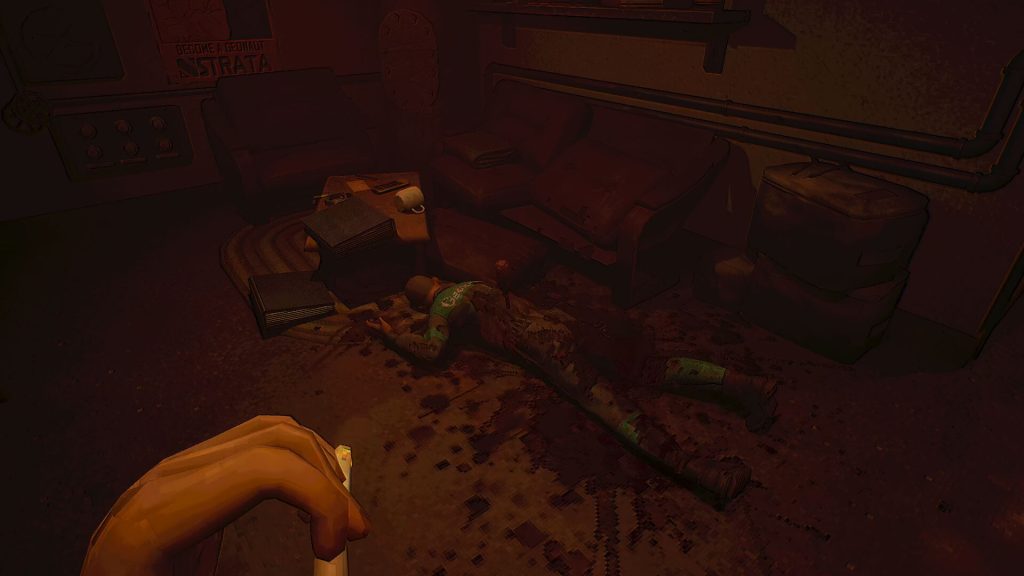
From the beginning, we wanted MOLE to feel visually distinct. The combination of realistic lighting and rendering with heavily pixelated textures helped us create an aesthetic that feels both familiar and unsettling. Some of our biggest visual inspirations came from the System Shock remake, as well as modern indie horror titles such as Mouthwashing and Buckshot Roulette. We were particularly drawn to games that use stylized visuals not only as an artistic choice, but as a way to strengthen atmosphere and immersion.
What were the biggest challenges during development?
Time, ambition, and simply making it through the year. From the start, we agreed that if we were going to do this, we wanted to create something truly special. That mindset raised the bar considerably, often leading us to cut content that we felt did not meet the standard we had set for ourselves, even when replacing it was not always realistic given our resources.
At the same time, me and David Nilsson on the team left stable full-time jobs to work on the project, relying largely on personal savings while development was underway. Those savings became the clock we were racing against.
Balancing creative ambition with financial uncertainty, while maintaining our health, relationships, and sanity during an intense one-year development cycle, was without question the greatest challenge we faced.
How has the community responded since launch?
The response has been incredible, far beyond anything we expected. As developers, you spend so much time immersed in your own ideas that it is impossible to know how they will resonate with others.
Seeing players connect with the game, discuss its story, and embrace its stranger design choices has been incredibly rewarding. We are simply grateful that there are people out there who enjoy the same kinds of odd ideas that we do, like making a protagonist who is severely nearsighted and forcing players to live with that reality.
Is there anything that did not make it into the final game that you wish had?
Mostly the smaller, more playful features that were not essential to the core experience but would have added extra personality and immersion. At various points, we experimented with ideas such as an interactive dartboard, a cartridge-based minigame, a coffee-making procedure, the ability to get drunk, and even a nicotine addiction mechanic. There were plenty of strange ideas discussed during development. One idea that still makes me laugh is that we briefly considered a bladder management system. To this day, I am a little disappointed that you cannot pee in MOLE.
What did developing MOLE teach you as developers?
Perhaps the biggest lesson was that believing success is primarily determined by luck can be one of the most limiting mindsets an indie developer can have. Long before MOLE was announced publicly or presented to publishers, half the team had already given up the security of traditional employment to commit fully to the project.
The reason we were willing to take that risk was that we genuinely believed in what we were creating. That belief allowed us to focus almost entirely on making the best game we could, rather than constantly chasing trends, market predictions, or assumptions about what might sell.
If you are going to dedicate a year or more of your life to something, you need to believe that your decisions matter and that your work can influence the outcome. You cannot control everything, but you can control the quality, care, and conviction you bring to what you create.
What is next for Off Black Creations?
Hopefully, a little bit of rest.
After spending an entire year working without taking a proper day off, some recovery is definitely needed. Beyond that, much depends on how MOLE performs and what opportunities it creates for the studio.
Our goal has always been to keep making unusual, memorable experiences. If MOLE gives us the opportunity to continue doing that, we would love nothing more than to begin work on the next project.